
As Amazon Associates, we earn from qualifying purchases. This means we may receive a small commission at no extra cost to you if you click through and make a purchase.
As an Amazon Associate we earn from qualifying purchases. Links on this page are affiliate links.
Understanding Sonar Technology for Fish Finders
Sonar technology explained helps you choose the right fish finder. Sonar sends sound waves into water and listens for echoes. These echoes reveal the location, size, and shape of objects below your boat. The type of sonar determines how much detail you see.
CHIRP sonar uses a sweep of frequencies instead of a single pulse. This wider range improves target separation and depth penetration. You see clearer images of fish and structure. Look for CHIRP in the specifications to ensure better performance in deep or murky water.
ClearVü focuses on imaging directly beneath your boat. It provides a vertical column of data. This view shows the bottom contour and fish directly under the transducer. It is useful for shallow water fishing or when you need to see what is directly below your hull.
Side Imaging expands the view horizontally. It scans a wide swath to the left and right of your boat. This technology reveals underwater structures, drop-offs, and schools of fish at a distance. You can cover more water faster without moving your boat. Check for side imaging specs to find submerged features before you reach them.
Down Imaging offers a high-resolution vertical view. It combines the benefits of CHIRP and ClearVü. The image is sharper than standard ClearVü. You can distinguish individual fish from the bottom structure. This spec is ideal for precise targeting.
Live Sonar provides real-time video-like feedback. You see fish moving and reacting to your lure instantly. The update rate is fast, allowing you to adjust your presentation. This technology changes how you approach fishing. Look for live sonar if you want immediate visual confirmation of fish activity.
Dual Beam offers two views in one unit. It typically combines a wide-angle view with a narrow, focused view. This gives you flexibility in different conditions. You can switch between scanning a large area or focusing on a specific target. Ensure the specs list dual beam if you want versatile coverage.
Sonar Technology Options Compared
CHIRP Sonar
CHIRP sends a sweeping pulse of frequencies rather than a single ping. This wider range improves target separation and detail. You see clearer images of fish and structure. The Garmin Striker 4 uses this tech for beginners. It offers basic GPS alongside clear sonar. The trade-off is simpler data presentation. You get reliable depth and fish location without complex scanning. This suits anglers who want straightforward, dependable readings. It is less about high-resolution imaging and more about consistent performance. If you need easy controls and clear bottom structure, CHIRP is a practical choice.
Down Imaging
Down Imaging uses high-frequency sound to create a photo-like view directly below your boat. You see individual objects like rocks, logs, and fish with high clarity. The Lowrance Eagle 7 TripleShot HD includes this feature. It combines side and down imaging in one unit. This helps you identify specific targets under the hull. The trade-off is a narrower coverage area. You must move slowly to scan effectively. This technology suits anglers fishing in structured waters. You benefit from precise identification of bottom composition. It is ideal for locating specific spots rather than wide-area searching.
Live Sonar
Live Sonar provides real-time video-like imagery of your surroundings. You see fish movement as it happens. The Garmin Panoptix LiveScope Scanning Sonar offers this capability. It allows you to watch fish react to your lure. The transducer is heavier and bulkier than standard units. You may need to handle a larger setup. This suits anglers who prioritize real-time visibility. It is excellent for precision casting and tracking fish behavior. The trade-off is increased weight and complexity. You gain superior scanning capabilities but at the cost of portability. This tech is best for those willing to manage extra gear for better data.
Side Imaging
Side Imaging scans a wide area to the left and right of your boat. You see structure and fish over a broad range. The Humminbird XPLORE 12 features a large 12-inch display for this. It shows detailed underwater mapping in real time. You can cover more water quickly. The trade-off is the need for a larger screen to view details. You also require compatible transducers. This suits anglers wanting extensive coverage. You benefit from high-resolution structure imaging. It helps you identify promising spots before casting. The large interface makes it easier to interpret the wide-area data.
Dual Beam
Dual Beam provides two different sonar angles. You get both a wide view and a narrow, focused view. The Humminbird PiranhaMAX 4 Dual Beam Fish Finder uses this. It offers flexible coverage for various fishing conditions. You can switch between beams as needed. The trade-off is limited advanced imaging features. You do not get high-resolution side or down views. This suits anglers needing versatile basic coverage. You benefit from easy mounting adjustments. It is ideal for general fishing where detailed structure scanning is not critical. You get reliable depth and fish detection without complex technology.
ClearVü
ClearVü delivers high-resolution bottom structure and fish images. It focuses on clarity and detail directly below the boat. The Garmin GT36 Transducer supports this technology. It provides precise side and bottom imaging. You see fine details of the bottom composition. The trade-off is that it is a transducer only. You need a compatible head unit to display data. This suits anglers prioritizing high-resolution scanning. You benefit from precise target identification. It is ideal for structured waters where detail matters. You gain superior imaging capabilities but must manage the separate transducer component.
Is Sonar Worth The Upgrade
Who needs it
You should prioritize advanced sonar if you fish in complex environments or seek maximum clarity. Technologies like CHIRP provide superior target separation, letting you distinguish between fish and bottom structure with precision. If you need to see directly below your boat, ClearVü and Down Imaging offer detailed vertical views that standard beams cannot match. Live Sonar is essential for anglers who want real-time movement data, showing fish behavior as it happens. Side Imaging expands your search area significantly, scanning wide swathes of water to locate schools from a distance. Dual Beam offers versatility, switching between wide coverage and focused depth. If your success depends on identifying specific underwater features or tracking active fish in murky water, these advanced specs justify the higher cost and complexity. They transform vague blips into actionable data, giving you a distinct advantage over basic units.
Who can skip it
Basic anglers can often skip advanced sonar features without sacrificing much performance. If you fish in shallow, open waters where targets are obvious, a standard Dual Beam unit may suffice. You do not need Live Sonar if you are not chasing specific school movements. Side and Down Imaging are less critical when fishing near the surface or in clear water where visual confirmation is possible. Beginners might find the interface of complex systems overwhelming. Focus on ease of use and battery life instead. A simpler unit with CHIRP technology provides a solid middle ground, offering better clarity than old-school single-frequency sonar without the steep learning curve. Prioritize durability and screen readability over imaging depth. For casual weekend trips, the extra detail from high-end sensors offers diminishing returns. Save your resources for better rods or tackle rather than investing in imaging technologies you will rarely use.
Sonar Glossary Terms
Sonar
Sound navigation and ranging. The device sends sound waves into the water and measures the time it takes for echoes to return, revealing underwater objects and depth.
CHIRP
Compressed High-Intensity Radiated Pulse. It sends a sweeping frequency range instead of a single ping. This improves target separation and image clarity for better fish identification.
DownVision
A sonar mode that sends a narrow beam straight down. It creates a detailed, sonar-like image of the bottom directly below your boat, showing structure and fish.
SideVision
A sonar mode that scans horizontally to the sides. It covers a wide area, letting you see fish and structure far to your left and right.
Frequency
Measured in kilohertz (kHz). Higher frequencies offer better detail but shorter range. Lower frequencies penetrate deeper water but provide less resolution for individual targets.
Transducer
The component that converts electrical signals into sound waves and vice versa. It is the physical sensor mounted on your boat that sends and receives sonar pulses.
Display Type
The screen technology, such as color LCD or monochrome. Color screens help distinguish water layers and structure. Size varies from small handheld units to large chartplotters.
Mapping
Creating detailed charts of the lake or ocean floor. Some units use sonar to build maps, while others rely on pre-loaded satellite imagery or community-generated data.
| # | Product | Best for | Price |
|---|---|---|---|
| 1 | Garmin Striker 4 GPS Fish Finder with Transducer | beginners seeking simple CHIRP sonar and basic GPS | |
| 2 | Lowrance Eagle 7 TripleShot HD Fish Finder | Anglers needing side and down imaging in one unit | |
| 3 | Garmin Panoptix LiveScope Scanning Sonar | Real-time scanning and stability in rough water | |
| 4 | Humminbird XPLORE 12 Touchscreen Fish Finder | Anglers wanting large-screen side imaging and real-time mapping | |
| 5 | Humminbird PiranhaMAX 4 Dual-Beam Fish Finder | Anglers needing versatile dual beam coverage | |
| 6 | Garmin GT36 Transducer | High-resolution side and bottom scanning |

Garmin Striker 4 GPS Fish Finder with Transducer
Best for: beginners seeking simple CHIRP sonar and basic GPS
- Sonar Technology
- CHIRP Sonar
- Display Size
- 3.5 inches
- Maximum Range
- 1,600 feet freshwater
- Display Type
- Keyed interface
- Mapping
- Waypoint map
- Features
- GPS
This Garmin Striker 4 pairs a 3.5-inch keyed display with CHIRP and ClearVü sonar. The CHIRP technology sends a continuous frequency sweep for crisper fish arches and better target separation. ClearVü provides near-photographic images of structure and fish. It includes a waypoint map for navigation and supports depths up to 1,600 feet in freshwater. The IPX7 water rating ensures durability. It suits anglers who prefer simple, dedicated buttons over touchscreens.
- CHIRP sonar provides wider information range and crisper fish arches
- ClearVü scanning sonar offers near-photographic images of underwater objects
- Built-in waypoint map for marking and navigating to locations
- IPX7 water rating protects against immersion
- Keyed interface with dedicated buttons for easy operation
- 3.5-inch display is smaller than the 7-inch or 12-inch screens on other list items
- Maximum freshwater depth of 1,600 feet is limited compared to deeper-water capable units
- Lacks side imaging or live scanning capabilities found in higher-end models
- You want a simple, keyed interface without touch complexity
- You fish in freshwater environments up to 1,600 feet deep
- You need basic CHIRP sonar for clear fish arches
- You require side imaging or live scanning sonar
- You prefer a large touchscreen display for detailed mapping
- You need saltwater depth capability beyond 750 feet
Verdict: Garmin Striker 4 3.5" GPS Fishfinder is a straightforward entry point for anglers who value clear CHIRP sonar and simple controls over large screens or advanced scanning.

Lowrance Eagle 7 TripleShot HD Fish Finder
Best for: Anglers needing side and down imaging in one unit
- Sonar Technology
- CHIRP Sonar, Down Imaging
- Display Size
- 7-inch
- Display Type
- IPS
- Mapping
- C-MAP inland, Genesis Live
- Dimensions
- 8.89 × 3.48 × 5.5 inches
- Weight
- 1.5 pounds
This 7-inch fish finder combines SideScan, DownScan, and CHIRP sonar into one unit. The IPS display offers a balanced view for sonar and charts. It includes C-MAP US Inland charts for detailed mapping. Auto-Tuning Sonar simplifies setup. It suits anglers who want broad coverage without a larger 9-inch unit.
- TripleShot HD combines SideScan, DownScan, and CHIRP sonar
- 7-inch IPS display provides clear visibility
- FishReveal overlays CHIRP targets on DownScan images
- C-MAP US Inland charts cover 17,000 lakes
- 7-inch screen is smaller than the 9-inch options available
- 1.5-pound weight is heavier than smaller 4-inch or 5-inch models
- SideScan resolution is lower than dedicated Ultra High-Def SideVü units
- You want side and down imaging in one device
- You prefer a 7-inch display over larger screens
- You need built-in inland chart mapping
- You require ultra-high-definition side imaging resolution
- You prefer a lightweight unit under 1 pound
- You only need basic down imaging without side scan
Verdict: Lowrance Eagle 7 TripleShot HD delivers comprehensive sonar coverage in a compact 7-inch package. It fits anglers who need side and down imaging with chart support without moving to a larger 9-inch unit.
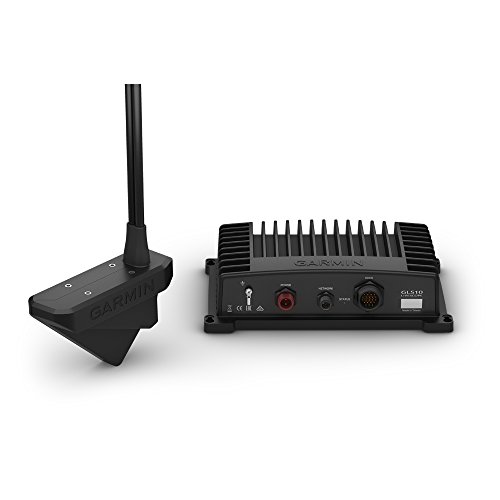
Garmin Panoptix LiveScope Scanning Sonar
Best for: Real-time scanning and stability in rough water
- Sonar Technology
- Live Sonar
- Maximum Range
- 200’
- Dimensions
- 9.6 × 2.6 × 5.9 inches
- Weight
- 6.2 pounds
This Garmin LiveScope unit delivers real-time scanning sonar images up to 200 feet away. It features an Attitude Reference System to stabilize views in rough water. The transducer allows you to point forward or down. It connects via a plug-and-play marine network. This system suits anglers who need sharp, immediate feedback on fish movement around their boat.
- Provides real-time scanning sonar images of structure and bait.
- Maximum range reaches 200 feet down and away.
- Attitude heading reference stabilizes the sonar view in rough conditions.
- Transducer points forward or down to fit fishing techniques.
- Weight is 6.2 pounds, which is heavier than standard transducers.
- Dimensions are 9.6 by 5.9 by 2.6 inches, making it bulkier than basic units.
- You want to see fish movement in real time.
- You need a stable view in rough water conditions.
- You prefer pointing the transducer forward or down.
- You need a lightweight, compact transducer.
- You only require traditional dual beam sonar.
- You want a standalone unit without a chart plotter.
Verdict: Garmin LiveScope Scanning Sonar is ideal for anglers who prioritize real-time visibility and stability over compact size. It fits those willing to handle a heavier, bulkier transducer for superior scanning capabilities.

Humminbird XPLORE 12 Touchscreen Fish Finder
Best for: Anglers wanting large-screen side imaging and real-time mapping
- Sonar Technology
- Side Imaging
- Display Size
- 12-inch
- Maximum Range
- 200-foot
- Display Type
- Touchscreen and keypad
- Mapping
- Humminbird Basemap, AutoChart Live
- Features
- GPS
The Humminbird XPLORE 12 is a control-head-only fish finder featuring a 12-inch touchscreen display. It uses MEGA Side Imaging+ and MEGA Down Imaging+ for a 200-foot range on each side. Dual Spectrum CHIRP sonar aids in structure clarity. Built-in GPS includes Basemap and AutoChart Live technology. This unit suits anglers who want large-screen clarity and real-time mapping without a bundled transducer.
- 12-inch touchscreen display with keypad operation
- MEGA Side Imaging+ covers 200 feet on each side
- MEGA Down Imaging+ provides 200-foot depth coverage
- AutoChart Live technology records depth contours and bottom hardness
- Built-in GPS with LakeMaster and CoastMaster VX map cards
- Control Head Only model does not include a transducer
- 6.31 pounds weight is heavier than smaller display units
- 8 hours of built-in recording time for AutoChart Live
- You want a large 12-inch display for clear structure viewing
- You already own a compatible transducer and want a control head
- You need real-time mapping with AutoChart Live technology
- You need a complete kit with a transducer included
- You prefer a smaller, lighter unit under 10 inches
- You do not require side imaging or down imaging features
Verdict: The Humminbird XPLORE 12 GPS Fish Finder offers a large 12-inch interface with extensive sonar range for detailed underwater mapping. It fits anglers who already have transducers and want high-resolution structure imaging with real-time chart creation capabilities.

Humminbird PiranhaMAX 4 Dual-Beam Fish Finder
Best for: Anglers needing versatile dual beam coverage
- Sonar Technology
- Dual Beam
- Dimensions
- 3.6 × 3.9 × 6.8 inches
- Weight
- 2 pounds
The Humminbird PiranhaMAX 4 uses Dual Beam sonar to offer both narrow and wide coverage. This lets you switch between detailed target identification and broader area scanning. It includes a tilt and swivel mount for quick angle adjustments. The unit weighs 2 pounds and measures 6.8 inches in height. It is suitable for anglers who want versatile sonar views without complex features.
- Dual Beam sonar for narrow and wide coverage options
- Tilt and swivel mount for quick angle adjustments
- Includes XNT 9 28 T transom-mount transducer
- Compact 6.8 inch height design
- 2-pound weight is heavier than lighter handheld units
- 6.8-inch height is larger than compact portable models
- 1-year limited warranty is shorter than extended coverage options
- You want to switch between detailed and wide sonar views
- You need a mount that allows quick angle adjustments
- You prefer a transom-mount setup with included transducer
- You require live sonar or side imaging technology
- You need a high-resolution color touchscreen display
- You want a lightweight unit under 1 pound
Verdict: Humminbird PiranhaMAX 4 Dual Beam Fish Finder suits anglers who value flexible sonar coverage and easy mounting adjustments over high-tech imaging features.

Garmin GT36 Transducer
Best for: High-resolution side and bottom scanning
- Sonar Technology
- ClearVü
- Maximum Range
- 500 ft
- Dimensions
- 5.6 × 12.9 × 4.4 inches
- Weight
- 15.4 ounces
The Garmin GT36 is a transducer providing UHD SideVü and ClearVü scanning sonar. It operates at 455 kHz, 800 kHz, and 1000 kHz for performance across depths. SideVü scans up to 500 feet on each side. The unit weighs 15.4 ounces and measures 12.9 by 5.6 by 4.4 inches. It mounts via transom or trolling motor hardware. This accessory suits anglers needing high-resolution side and bottom imaging.
- UHD SideVü scanning sonar reaches 500 feet per side
- Three frequencies: 455 kHz, 800 kHz, and 1000 kHz
- Mounts easily with transom or trolling motor hardware
- Vivid color palettes help distinguish targets and structure
- Maximum range is 500 feet, which is less than the 1000 kHz range mentioned in other products
- Weight is 15.4 ounces, which is heavier than typical single-beam transducers
- Only offers SideVü and ClearVü, lacking Down Imaging capability
- You need detailed side scanning up to 500 feet
- You want high-definition bottom structure imaging
- You already own a compatible Garmin head unit
- You require Down Imaging technology
- You need a transducer with a longer range than 500 feet
- You prefer a lighter unit under 10 ounces
Verdict: Garmin GT36 Transducer delivers precise side and bottom imaging for structured waters. It fits anglers prioritizing high-resolution scanning over long-range detection.
Specifications side by side
| Spec | Garmin Striker 4 GPS Fish Finder with Transducer | Lowrance Eagle 7 TripleShot HD Fish Finder | Garmin Panoptix LiveScope Scanning Sonar | Humminbird XPLORE 12 Touchscreen Fish Finder | Humminbird PiranhaMAX 4 Dual-Beam Fish Finder | Garmin GT36 Transducer |
|---|---|---|---|---|---|---|
| Display Size | 3.5 inches | 7-inch | – | 12-inch | – | – |
| Sonar Technology | Clear Vu, CHIRP | CHIRP, SideScan, DownScan, FishReveal | Live scanning sonar | MEGA Side Imaging+, MEGA Down Imaging+ | Dual Beam | UHD SideVü, UHD ClearVü |
| Maximum Range | 1,600 feet freshwater | – | 200’ | 200-foot | – | 500 ft |
| Display Type | Keyed interface | IPS | – | Touchscreen and keypad | – | – |
| Mapping | Waypoint map | C-MAP inland, Genesis Live | – | Humminbird Basemap, AutoChart Live | – | – |
| Features | GPS | – | – | GPS | – | – |
| Dimensions | 3.6 × 1.6 × 5.9 inches | 8.89 × 3.48 × 5.5 inches | 9.6 × 2.6 × 5.9 inches | 14.2 × 3.4 × 8.46 inches | 3.6 × 3.9 × 6.8 inches | 5.6 × 12.9 × 4.4 inches |
| Weight | 8 ounces | 1.5 pounds | 6.2 pounds | 6.31 pounds | 2 pounds | 15.4 ounces |
| Size | 3.5 | 7 Inch | 0.0" | 12-Inch Display | One Size | 0 Inch |
| Color | Black | Black | – | Black | Black | Black |
| Model | 010-01550-00 | 000-16120-001 | – | 412020-1CHO | 410150-1 | 010-13072-00 |
Frequently asked questions
What is CHIRP sonar and why does it matter?
CHIRP sends a sweeping pulse of frequencies rather than a single ping. This wider range improves target separation and detail. You see clearer images of fish and structure. The Garmin Striker 4 uses this tech for beginners. It offers clear CHIRP sonar and simple controls over large screens or advanced scanning. This makes it a straightforward entry point for anglers.
How does Down Imaging differ from standard sonar?
Down Imaging provides high-resolution images directly below your boat. It shows the structure of the bottom and objects hanging in the water column. The Lowrance Eagle 7 TripleShot HD delivers comprehensive sonar coverage. It fits anglers who need side and down imaging with chart support. This unit combines these features in a compact 7-inch package without requiring a larger 9-inch screen.
What is Live Sonar and how is it used?
Live Sonar provides real-time video-like visibility of fish and structure. It allows you to watch fish movement as it happens. The Garmin Panoptix LiveScope Scanning Sonar is ideal for anglers who prioritize real-time visibility. It offers stability in rough water. You handle a heavier, bulkier transducer to gain superior scanning capabilities and precise real-time data.
What does Side Imaging show on a fish finder?
Side Imaging scans the water to the left and right of your boat. It reveals underwater structure, baitfish, and fish at a distance. The Humminbird XPLORE 12 offers a large 12-inch interface with extensive sonar range. It provides high-resolution structure imaging with real-time chart creation capabilities. This suits anglers who already have transducers and want detailed mapping of the surrounding area.
When should I choose Dual Beam sonar?
Dual Beam sonar offers versatile coverage by switching between narrow and wide beams. It suits anglers who value flexible sonar coverage. The Humminbird PiranhaMAX 4 Dual Beam Fish Finder is designed for easy mounting adjustments. It provides reliable detection without the complexity of high-tech imaging features. This makes it a practical choice for those seeking straightforward, adaptable sonar performance.
What is ClearVü sonar technology?
ClearVü provides high-resolution images of the bottom and structure directly below the transducer. It offers precise side and bottom imaging for structured waters. The Garmin GT36 Transducer delivers this technology. It fits anglers prioritizing high-resolution scanning over long-range detection. This component enhances your fish finder's ability to identify specific underwater details with clarity.


